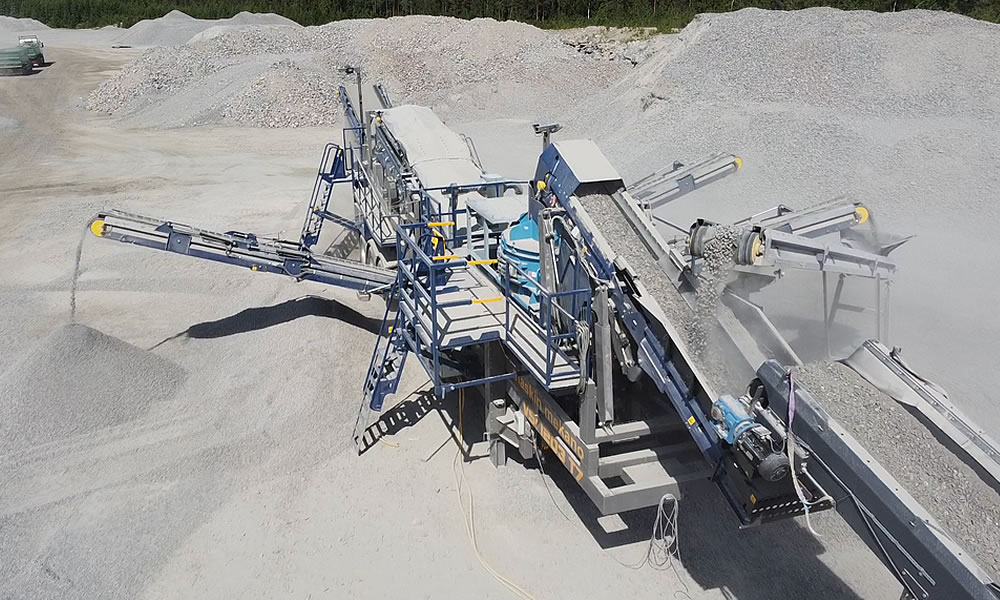
Material school: get to know the materials you process
Knowing a material by name is not enough. Even within the same material group, composition, particle-size distribution, strength, moisture and contamination can vary considerably. In this material school we walk through the groups that matter most for aggregates, recycling and the raw-material industry – and what each one demands from the process.
For every material the same questions return: what properties does it have, what challenges arise in processing, what product qualities are achievable and what economic potential does it offer?
Igneous rocks – hard and valuable
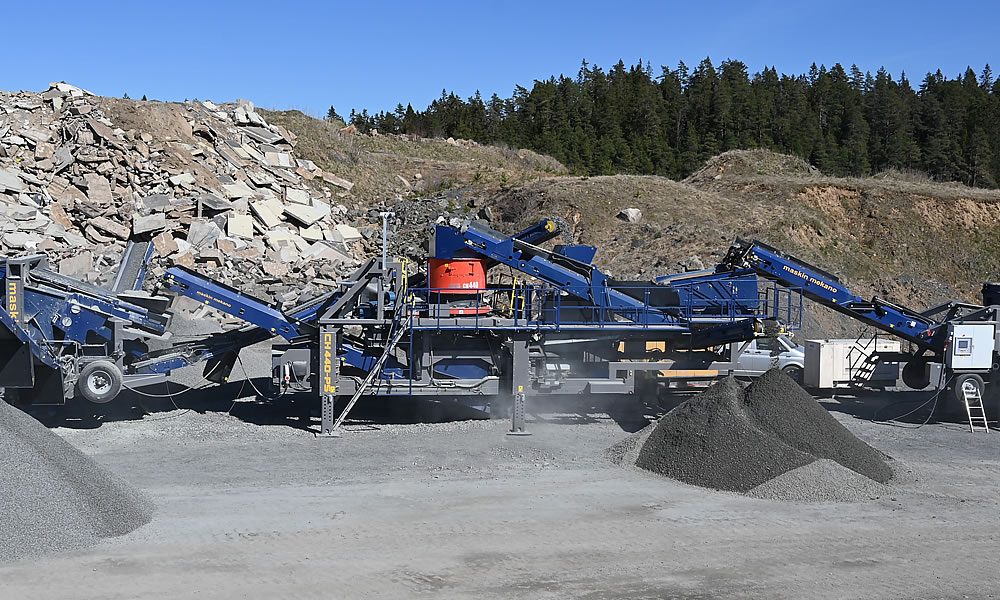
Igneous rocks form when molten rock solidifies. Slow cooling at depth produces coarse-crystalline rocks, while rapid cooling near the surface creates fine-grained volcanic rocks. Their strength and wear resistance make them among the most important raw materials for crushed stone, manufactured sand and high-quality aggregates.
- Granite consists mainly of quartz, feldspar and mica. It screens very well and gives cubical products, but its high quartz content makes it comparatively abrasive.
- Basalt is one of Europe’s hardest rocks. It demands a lot of energy and wears tools, but yields excellent end products with high market value.
- Diabase resembles basalt and is very well suited to high-quality asphalt and heavily trafficked surfaces.
- Porphyry typically sits between granite and basalt in processing terms, but varies greatly between deposits – careful material analysis is especially important.
Igneous rocks call for robust plants, powerful crushing stages and a consistent wear-protection strategy. In return they deliver durable, high-value construction materials.

Sedimentary rocks – easier to crush, but variable
Sedimentary rocks have formed through deposition and compaction over millions of years. They are often layered, so homogeneity must be assessed as carefully as strength.
- Limestone is easy and energy-efficient to crush, causes less wear and allows high throughput. Some deposits, however, contain layers of varying quality.
- Dolomite resembles limestone but offers higher strength and better wear characteristics.
- Sandstone varies greatly with its minerals and cementing material. Every deposit needs individual investigation.
- Marl is a mix of limestone and clay that can turn cohesive at high moisture. This causes build-up at transfer points and reduced screening capacity.
Metamorphic rocks – quality with demands
Metamorphic rocks have been transformed under high pressure and temperature. The result is often dense, strong and highly durable material.
- Gneiss resembles granite in strength, but its banding can create a preferred fracture direction that affects particle shape.
- Quartzite is one of the hardest natural rocks and extremely abrasive. It yields very high-quality products but requires a consistent wear strategy.
- Slate splits easily into plates and produces flat particles that reduce screening efficiency. It therefore plays a limited role in aggregate production.
- Marble is used mainly as dimension stone, but the residual material from its processing is increasingly usable as a secondary raw material.
Sand, gravel and natural mixtures
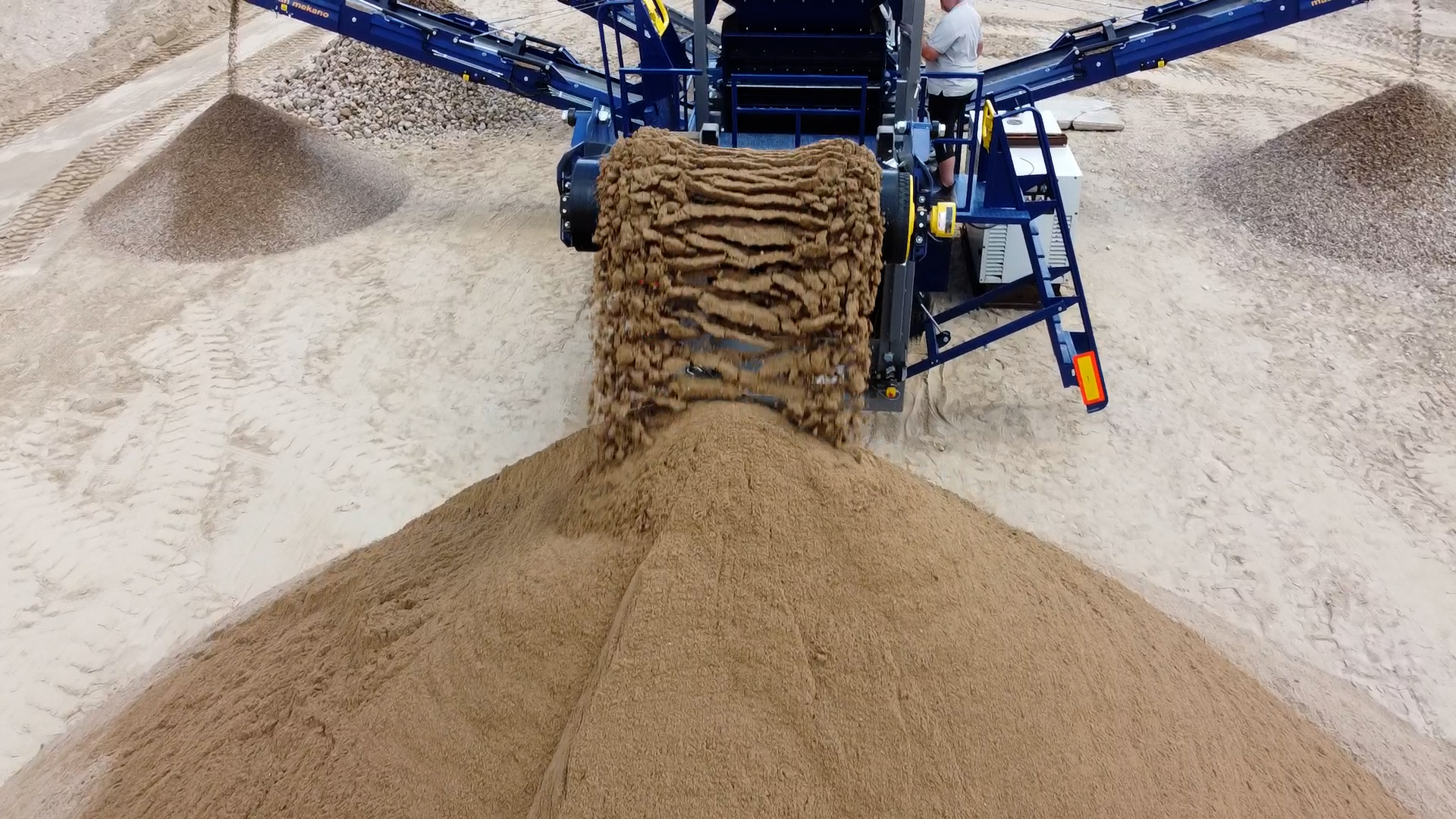
Unconsolidated materials already occur as individual particles and need little or no crushing. Processing focuses on screening, cleaning, washing and separating size fractions. By volume this is the most important raw-material group in construction and the basis of almost all concrete and asphalt.
- Sand (0.063–2 mm) is used in concrete, mortar, asphalt and much more. High-quality concrete sand requires precise classification and continuous quality control.
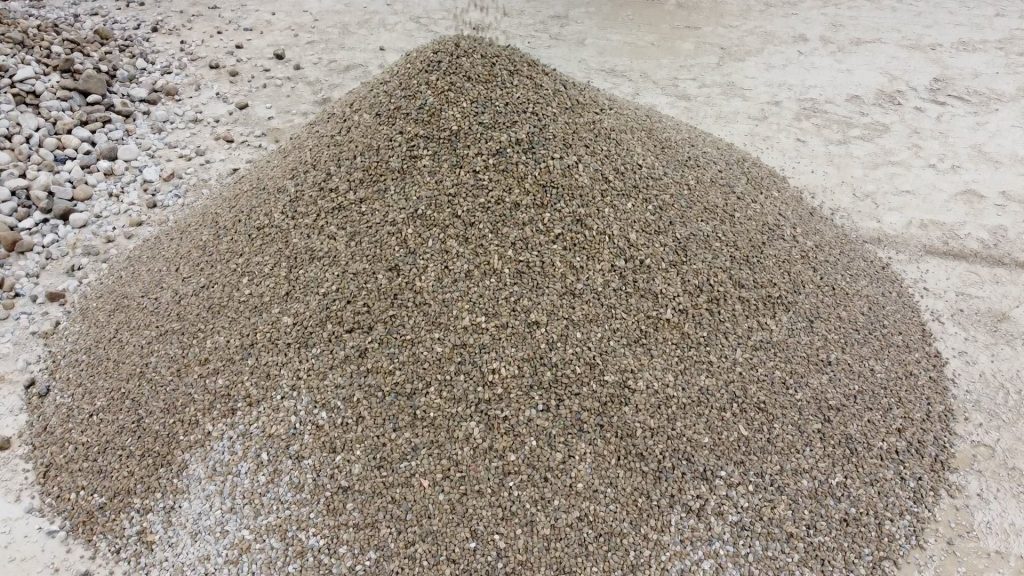
- Gravel (above 2 mm) has been rounded by natural transport in water or ice, which clearly distinguishes it from crushed rock.
- Natural sand–gravel mixtures must be separated into defined products such as 0/2, 2/4, 4/8, 8/16 and 16/32. Even small deviations in screening can put a product outside standard.
Variable fines content, organic contamination, clay, silt and changing moisture make wet processing common for this group.
Secondary raw materials – resources, not waste
Materials once sent to landfill are now valuable resources. Rising raw-material prices, limited landfill capacity and statutory requirements drive this shift. Secondary raw materials vary far more than natural ones, which demands deep material understanding and flexible processes.
- Recycled concrete is crushed and classified into frost-protection material, unbound base course, aggregate and more. The challenge is to produce as clean a mineral stream as possible.
- Reclaimed asphalt contains both valuable aggregate and reusable bitumen. The more accurately it is classified, the larger the share that can return to new asphalt.
- Bricks and ceramics have lower density and a different mineralogy from concrete, which affects both crushing and end use.
- Excavated soil is one of the largest material streams and never uniform. Classification, washing or targeted separation can recover usable fractions and cut landfill volumes significantly.
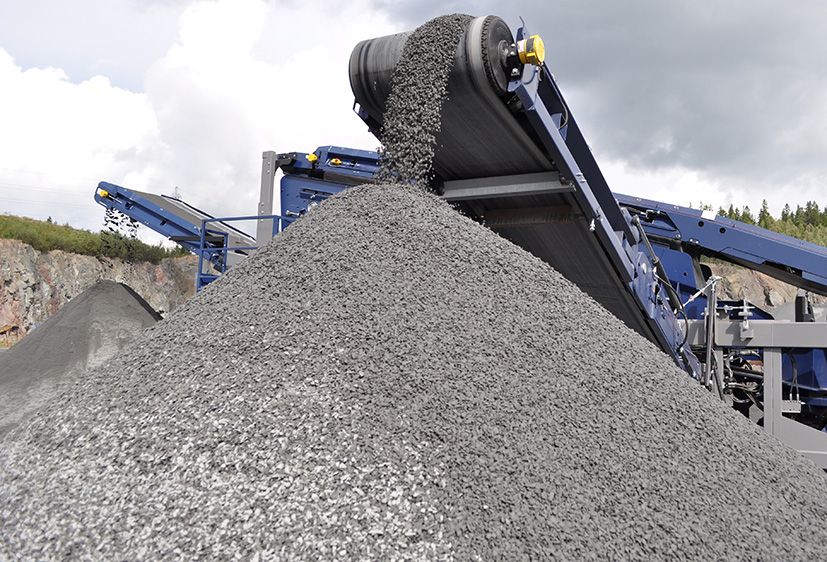
Industrial by-products
Steelworks slag, foundry sand, ashes and old mining heaps can replace primary raw materials – after careful chemical and physical analysis. Recovering ferrous components from steelworks slag has economic value and improves the mineral product. With modern technology, former disposal sites can become “urban mines” with real economic potential.
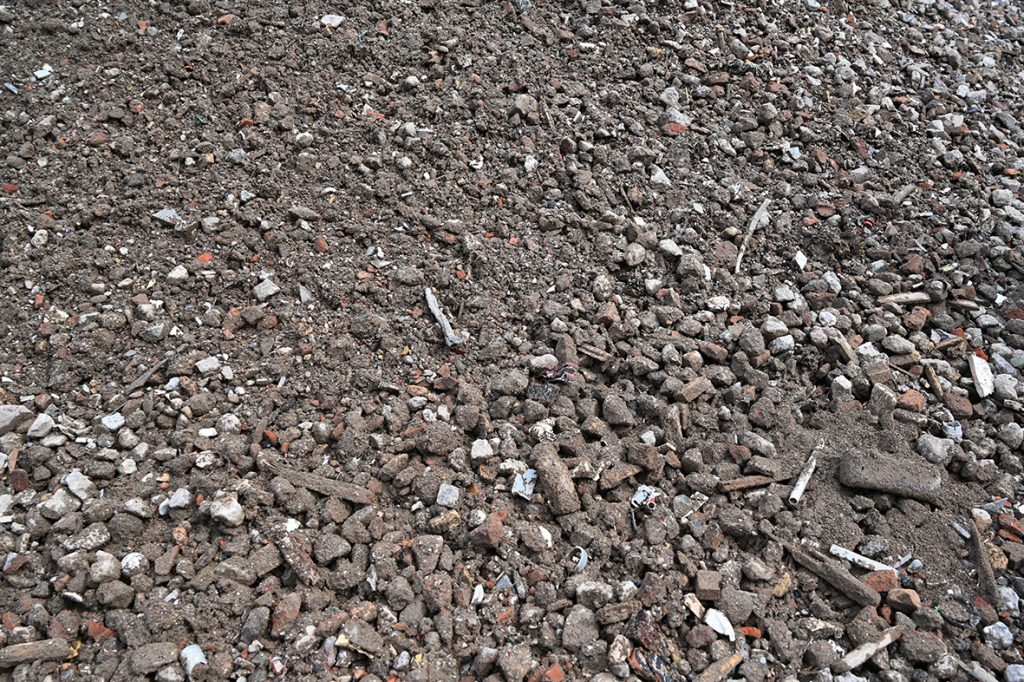
Variation is the rule, not the exception
Basalt imposes different requirements from limestone, cohesive soil behaves differently from dry gravel and recycled concrete differs from slag. Yet the same principle applies to every material: each follows its own physical laws.
Materials are not constant either. Extraction areas within a quarry vary, recycling streams shift from day to day and the weather can change moisture within hours. Sound material knowledge makes it possible to size equipment correctly, avoid unnecessary investment, reduce wear and energy use, improve product quality and increase operating reliability.
Material knowledge is not an academic exercise – it has direct, measurable economic value.